When learning something new, ranging from a new language, coding, a new sport, or a musical instrument, it can often feel like a long, tedious, and frustrating process. Some may feel that learning something new is always bound to take a long time and that some people are just born with a talent to learn new things quickly and easily. However, there are patterns in acquiring new skills, and research shows that learning new things follows a process that allows one to learn more quickly and efficiently, retain knowledge, and enjoy it more.
How Does the Brain Learn New Skills
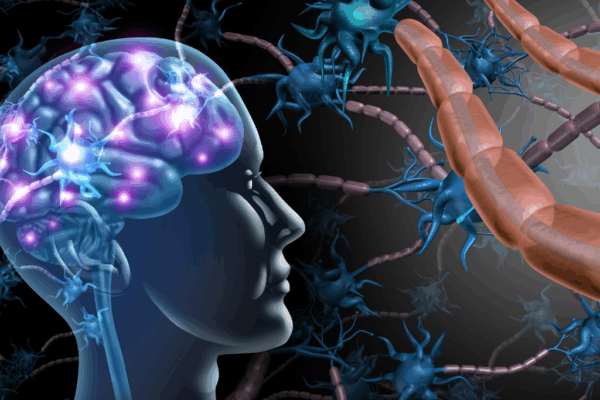
One of the biggest factors in learning something new is neuroplasticity, which is the brain’s ability to reform itself and adapt to learning a new skill. While learning something new, the brain connects new neurons and strengthens existing pathways. Early on, learning requires a lot of mental effort because many connections are weak and unfamiliar.
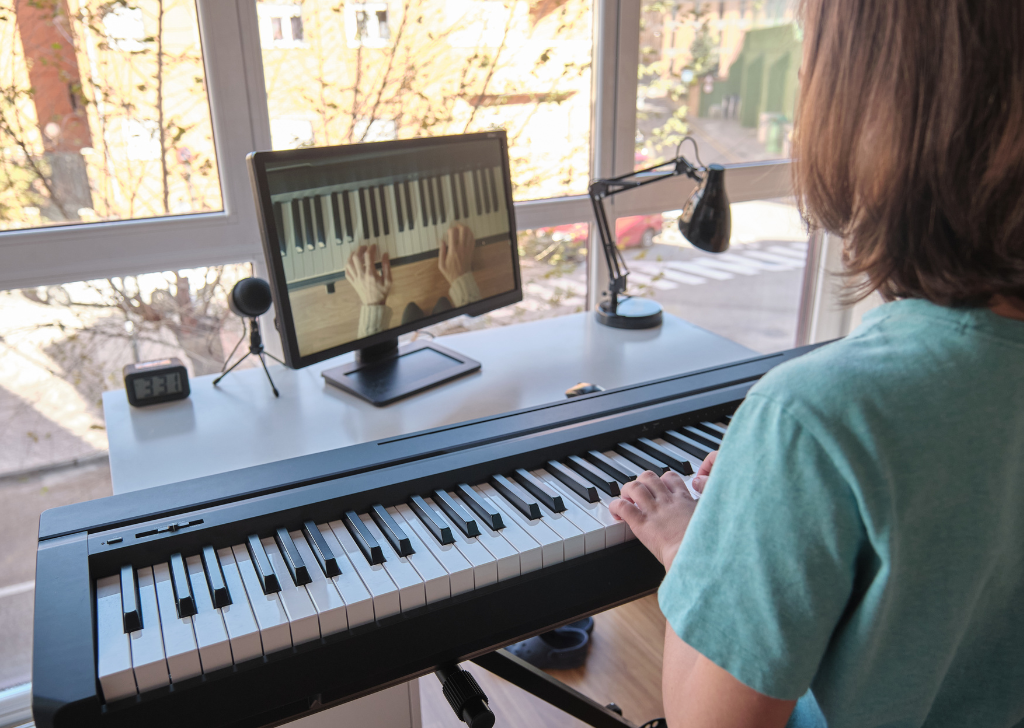
Once the mental effort is overcome and there is a lot of mental automation, the process is complete, and the new skill is mastered. A pianist, for example, can play a song without thinking about every note, or a writer can type an essay without focusing on each letter. At that point, mental automation is achieved.
Practice makes perfect, but this saying is more accurate when consistent practice is involved. Multiple short practice sessions are preferable to one long session because the neural patterns associated with the task receive more reinforcement. Daily short sessions add up to substantial progress over time.
Breaking Skills Into Manageable Parts
One of the most common learning hurdles is trying to learn a skill in full before moving on to other skills. Every skill is made up of smaller skills that can be identified, isolated, practiced, and then combined for more efficient learning.
For example, learning the guitar can be divided into chord changes, strumming patterns, finger placement, keeping rhythm, and transitions. Before moving on to the next skill, focus on one smaller skill at a time. This leads to more mastery of the other skills. The clearer and more defined the practice is, the easier it will be for the brain to identify the smaller patterns.
This practice is known as chunking and is common in many fields. Musicians, dancers, athletes, and even surgeons use this to ensure learning occurs without excessive overwhelm.
The Importance of Deliberate Practice
Not every practice session yields the same value. Vapid rehearsal may create some comfort with the task, but it will not produce the improvement one might be looking for. The raising of one’s abilities using focused, structured practice that targets specific weaknesses is what psychologist Anders Ericsson termed purposeful practice.
Purposeful practice requires targeted effort, immediate feedback, and self-evaluation for more enriched reflection and improvement. A goal for self-directed practice may not simply be “I will practice piano,” but rather “I will play this passage slowly, with correct fingering, until I attain proficiency with every note.” Failure in this context is not indicative of an inability to master the material. Rather, failure reflects the areas that require additional effort for improvement.
Reinforcement of the brain’s adaptability accelerates the learning process more than simple repetition. This requires the design and challenge of obstacles to strengthen and build neural pathways, creating a platform for high reliability and performance.
Why Spaced Repetition Beats Cramming
For knowledge-based skills, such as language or coding, many rely on cramming, or massed practice, for immediate results. While cramming may yield short-term gains, the information is rapidly forgotten. Distributed practice becomes essential.

Someone familiar with the forgetting curve can use it to review recently learned material. This strategy represents the core of spaced repetition. Each time the material is reviewed, the learner adjusts their review according to how well they remember the material. This method is widely used in language learning apps and in medicine, where students must retain large volumes of information.
Spaced repetition works with the brain’s natural processes to facilitate memory retention while reducing unnecessary strain.
Using Active Recall to Strengthen Memory
Passive learning, such as reading or highlighting, may feel productive, but it is not the optimal strategy.
Active recall involves retrieving information from memory without reference materials. Self-testing, verbalizing learned concepts, or summarizing knowledge in one’s own words are effective strategies.
Active recall challenges the brain, reinforcing neural connections. Retrieving information that is difficult to recall is beneficial, as it facilitates retention. Once successfully recalled, the information becomes easier to retrieve in the future. For example, daily vocabulary tests improve language retention more effectively than rereading lists.
The Role of Rest and Recovery in Learning
Learning continues during periods of inactivity, and rest is an integral aspect of the learning process. Sleep is indispensable for memory consolidation and reinforcing memory traces. Research suggests that sleep enhances the retention of skills practiced before sleep. Newly acquired information is processed during slow-wave sleep, and the brain re-patterns skill information for consolidation.
Learning is also enhanced when short breaks are taken during practice. Cognitive fatigue reduces concentration, and continuous practice becomes less effective. Techniques like the Pomodoro method, which include short breaks, help maintain focus. Rest is not merely the absence of activity; it actively engages the brain to integrate and consolidate skills.
Building Motivation Through Progress and Feedback
Motivation is often assumed to drive learning, but it is also an outcome of progress. Observing improvement, receiving feedback, and practicing to integrate learning into a cycle that drives motivation. Feedback is necessary to avoid a learning impasse that leads to frustration.

Progress can be tracked by measuring task completion time, practice session duration, and milestone achievements. Early feedback from teachers, mentors, or self-assessment helps identify mistakes and prevent unhelpful patterns. Small corrections along the way accumulate into significant progress.
Motivation and feedback create a positive cycle: progress leads to more practice, which improves results. The more practice undertaken, the less stressful and more enjoyable the learning process becomes.
Putting it All Together: A Science-Based Approach
To learn a new skill more quickly, combine all of these strategies. Start with the core parts of the skill, break them down into smaller elements, and use deliberate practice. Learn one element at a time and reinforce it with active recall. Use spaced repetition to retain knowledge and rest to let the brain consolidate what you have learned. Track progress and get regular feedback to maintain motivation.
Initially, gaining a deeper understanding of a skill may be complicated. However, through repeated application of these strategies, it becomes easier to structure learning goals. Learning how to establish a reliable schedule and evidence-based strategies helps streamline the learning process. Structured goal setting aligns efforts with the brain’s natural skill acquisition processes, making learning more predictable and convenient.
Applying yourself to learn new skills is not about shortcuts or grinding through hours of practice. Learning how to apply the science of neurology and skill acquisition removes frustration. Skills that once felt difficult become second nature, allowing continued learning and mastery.