The importance of clean and renewable sources of power has drastically increased as the world demands more energy and needs to be more environmentally conscious. Energy that can be used to power our homes, vehicles, and industries (without polluting the environment) comes from the sun, wind, and water. These resources are clean, renewable, abundant, and more and more in use. But what is the science, and how do these energy sources work?

This article provides an overview of the workings of solar power, wind energy, and hydroelectric power. You will see why technology powered by nature is and will continue to be the better part of our civilization.
Understanding Why Renewable Energy Matters
It will be useful to outline why renewable energy is needed before looking at the details of each energy source. Traditional energy sources such as coal, oil, and natural gas are depleted once used and produce untenable amounts of carbon dioxide, which is the leading cause of the climate crisis. Likewise, these resources take millions of years to form; once depleted, the planet is left at a loss.
The sources of renewable energy cannot be depleted. The sun will continue to shine for billions of years. The wind will continue to be present for as long as the Earth rotates. Rivers will continue to flow as long as gravity pulls the water downward and as long as there is rain to fall. Because of this, renewable forms of energy reduce pollution, enhance energy security, and promote positive sustainable development.
Another benefit is that renewable energy systems tend to have lower upkeep than power plants that rely on fossil fuels. Solar panels don’t have moving components. Wind turbines are also low in mechanical parts, as opposed to many industrial machines. Hydroelectric dams also stand the test of time and last for many decades. Once these systems are built, they can supply energy for years to come at little to no additional cost.
The Process of Solar Power Generation from Sun Energy
The first step when utilizing solar power is the collection of energy from the sun. This energy is in the form of photons, which are minuscule light particles. Photovoltaic cells are instruments that capture and convert solar energy into electricity. Photovoltaic cells are made of silicon for its special capacity to release electrons when exposed to light.
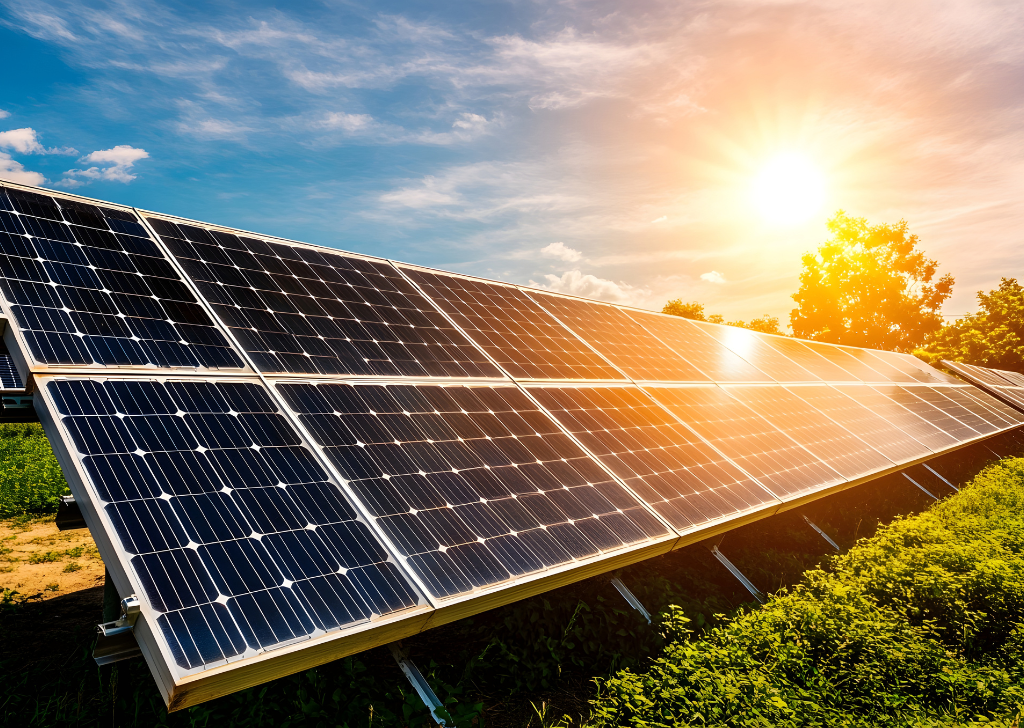
A single solar panel comprises numerous solar cells. Individual cells generate minute amounts of electric current upon receiving sunlight. However, when cells are interconnected in the thousands, sufficient electricity is generated to confer functionality to residential and commercial properties. The generated electricity is conducted through wires to an inverter, a device that transforms electricity from direct current into alternating current. Since alternating current is the primary form of current employed in most buildings, the inverter becomes a vital component of the system.
Solar technology achieves optimal functionality in areas that enjoy direct sunlight. However, electricity generation is still viable even in the presence of clouds. The solar panels in the modern era are more efficient than at any other point in history, and the panels are also still improving. The solar panels can be mounted on rooftops, unoccupied land, or even on floating platforms on water bodies. The versatility and the declining costs associated with solar technology have established solar energy as the most widely utilized form of renewable energy.
How Wind Turbines Turn Moving Air into Electricity
Wind energy derives from air movement. The Earth’s exposure is uneven. Some regions heat more quickly than others. The hot air rises and is replaced by flowing cool air. This movement constitutes air as wind. Wind turbines use air movement to spin the turbine blades. The blades connect to a rotor that flips a generator. The generator transmits electricity by rotating wire coils that are positioned next to magnets.
Wind turbine blades are shaped to resemble airplane wings. As wind flows over the blades, lift is formed. This lift allows the rotor to spin. Stronger winds create more lift and therefore more electricity. Wind turbines are able to rotate and shift the blade angle in order to optimize energy extraction.
Wind turbines are constructed in open areas like fields, coastlines and offshore. The wind farms offshore utilize consistent winds. Wind energy works well in windy areas, though it may be less effective in areas with little wind. Regardless, the potential for wind power globally is still large, and the newest turbines are most efficient.
How Hydroelectric Power Uses Flowing Water to Generate Energy
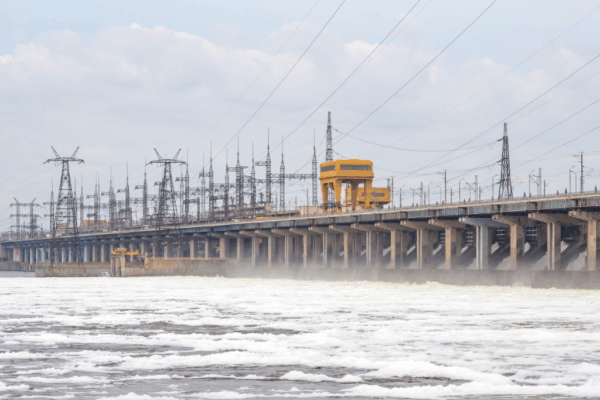
Hydroelectric power is the oldest type of renewable energy. It is the conversion of energy from flowing water into electricity. The principle behind it is simple. Water that is higher up has potential energy. When it flows downward, the potential energy is converted to kinetic energy. Hydroelectric power plants capture kinetic energy with turbines and extract electricity from the flowing water.

Hydroelectric power plants are constructed near large water bodies. Engineers build dams that form a water reservoir. Water is released from the reservoir and flows through tunnels, called penstocks, to large turbines that spin and are then connected to generators. They produce electricity. It is similar to wind energy, but instead of the wind, water is used to move the blades.
Hydroelectric energy is controllable and therefore reliable. Depending on demand and supply, operators can control the release of water. This controllability makes hydroelectricity a fine adjunct to other renewables that depend on the weather. Additionally, the lifespan of hydroelectric facilities is very long. For instance, some of the plants have been operational for more than 90 years.
How Renewable Energy is Stored and Distributed
One of the limitations of renewable energy is that the sun and wind can be erratic. For example, the sun goes down every day, and the wind can cease altogether on calm days. To ensure an uninterrupted flow of energy, efficient distribution, and energy storage, advanced technology is a necessity.
Batteries are the most widely used technology for energy storage. Large battery systems can retain excess energy produced on windy or sunny days for later release, stabilizing the grid and preventing blackouts. Rapid advancements are being made in battery technology to improve efficiency and lower costs.
Pumped storage hydroelectricity is another method. During periods of excess energy, water is pumped to an elevated reservoir. When energy is required, the water is released to flow downhill, generating energy in the process. This method is like a giant mechanical battery. Electric grids certainly have another important function. A grid can transport power from the sunniest and windiest areas to the regions with less energy production. This is great to assist in meeting the energy and balancing the load.
Environmental and Practical Considerations
Using renewable energy to mitigate the effects of climate change is less harmful than using fossil fuels. However, it is not without its challenges. Solar farms require considerable land. Wind turbines can be harmful to the wildlife in the vicinity. Hydroelectric dams alter ecosystems and can change fish migration patterns. These challenges face engineers and scientists in their efforts to find solutions to lowering the environmental impacts.
Placing solar panels on existing rooftops is one land-saving solution. There are design options for wind turbines that lessen bird and bat collisions. Hydroelectric systems with fish ladders and tunnels that allow fish to move past dams are other examples of the innovative solutions for ecosystems to coexist with renewable energy systems.
Financial implications are relevant. The installation of the renewable energy systems is still a considerable expense. The long-term savings are considerable, as the energy is free. There are many incentives to mitigate costs and to stimulate the use of renewable energy.