Outdoor challenges are capable of revealing how much we can really accomplish. Facing discomfort and fears in nature can suppress day-to-day worries and sharpen your focus. These experiences are not about proving physical strength. They are about proving psychological and emotional strength and about learning to trust in yourself and how your boundaries can change.

Competitive sports and traditional workout routines leave some people feeling stagnant and unfulfilled. Outdoor challenges are different; they provide unfamiliar and unpredictable environments for you to encounter, and they force you to push your limits mentally and physically. Weather, rough terrain, and isolation will stretch your limits in ways you never thought possible. Each of the challenges listed below is designed to provide you with the kind of experiences that will build your self-awareness, confidence, and resilience.
Long-Distance Solo Hiking
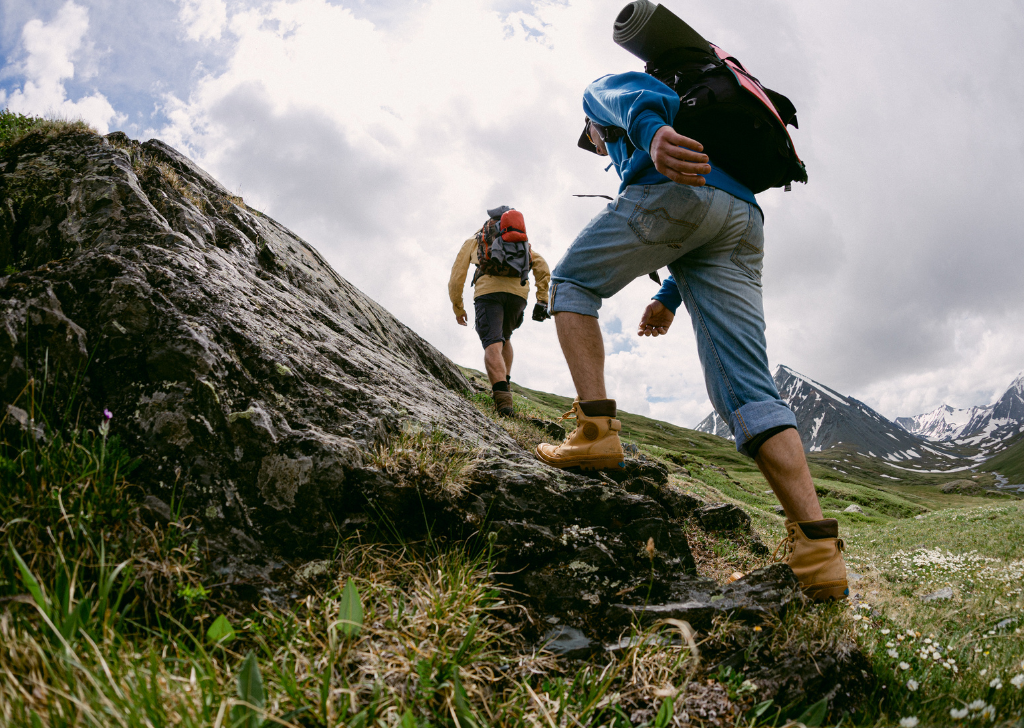
Solo long-distance hiking is one of the most powerful challenges you can do for yourself. The personal growth you will gain from the experience is unprecedented. Being alone for hours, or even days, will force you to confront your fatigue, doubt, and other emotional issues that you never even realized you had.
When you are walking, your thoughts will come to the forefront. Your responses to discomfort, boredom, and uncertainty can no longer be ignored. Each step is a mental choice that you make for yourself that will help you strengthen your independence and trust in yourself.
Organizing a solo hike also fosters self-confidence. Route planning, packing, wayfinding, and pacing are all self-directed responsibilities that require awareness. Finishing a long hike alone leaves a lot of people feeling a strong sense of achievement, and it’s not just because of the difficulty of the hike; it’s because they handled the hike all on their own.
Wilderness Camping With Minimal Gear
Camping with minimal gear nudges your comfort levels and hones your problem-solving skills. Instead of convenience items, you will learn to prioritize essentials and adapt to the environment.
This kind of challenge promotes mindfulness. You become more attuned to temperature changes, daylight, and the sounds of wildlife. Attending shelter construction, food preparation, and firewood gathering all require your shelter.
Mindful minimalist camping repeatedly reinforces the ability of people to adapt to and cope with the unfamiliar. Each night spent on a better wilderness camping trip, better prepared, and more confident, you will feel the confidence and ability to move into areas of life that previously seemed too demanding.
Cold Exposure and Open Water Swimming
Cold exposure and open water swimming, when done gradually and in a planned manner, are ways to build mental toughness. Open water swimming or cold water immersion requires calm and deep breathing, focus, and trust in your body.
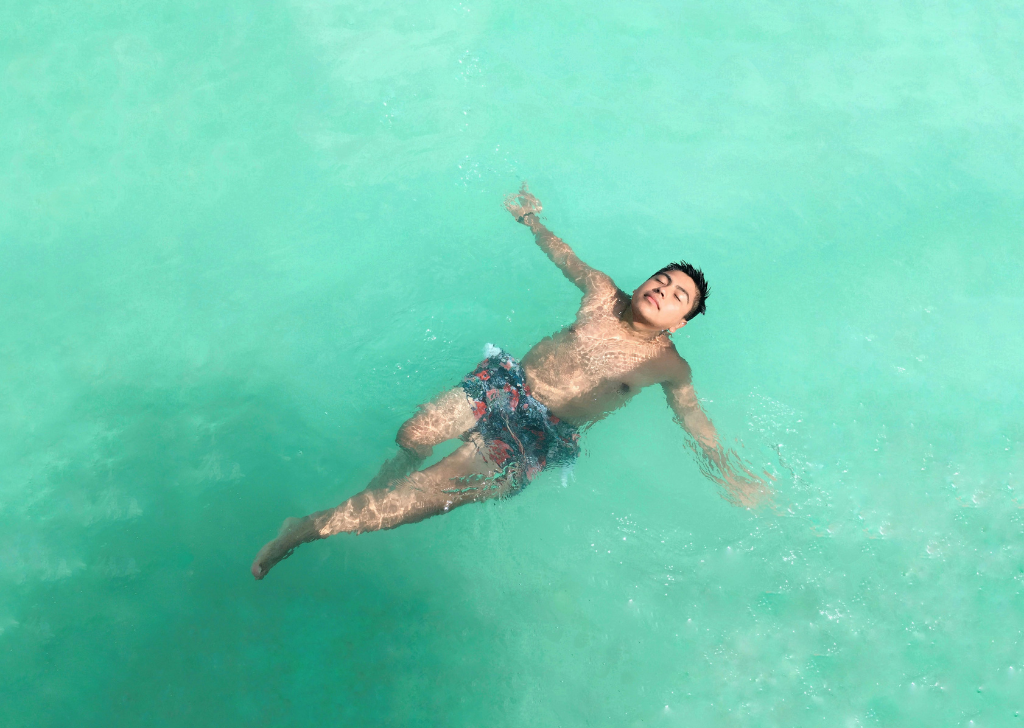
The initial surprise moment evokes reflex responses. The needed focus and breath control skills teach emotional control in stress. This ability applies well to maintaining composure in situations outside of physical stressors.
The importance of starting small cannot be understated. Providing exposure to enough challenges to allow for adjustment without added hazards is critical. This cycle of exposure is further compounded when discomfort is psychologically conceptualized as safety.
Mountain Ascents and High-Elevation Treks
The ascent and altitude of trekking pose the dilemma of higher difficulty in physical and psychological challenges, before the additional factors of steepness, weather, and air include the predictable and imbalanced elements of patience and respect.
The lack of predictability in pace is important psychologically in the imbuement of humbleness. The need to learn the signs and clues of your physical body, the need to rest, and the need to be imbalanced in your psychological band are important to be at the summit of the mountain. This is descending the biggest hill.
Persistently moving to incremental positive changes is psychologically imbuing the belief in the importance of continuing. The long-standing feeling of fulfillment is an added contribution to the many positive psychological benefits and add to the many retrospective advantages you already receive.
Multi-Day Cycling or Bikepacking Routes
The endurance, navigation, and self-sufficiency required in bikepacking are compounded by distance. The many days of a long bicycle trip add the elements of energy management, weather, terrain, and equipment.
Every day is different. There will be different headwinds, hills, and road conditions testing your patience and adaptability. Selection of campsites, planning of meals, and deciding the routes will strengthen your problem-solving abilities.
Bikepacking fosters confidence by showing the participant how much ground can be covered through steady, self-sufficient, and resilient effort. The participant learns how to grow their resilience and how to adapt through the process of repetition.
Navigational Difficulties
Using a paper map and compass, as opposed to a GPS or other forms of digital navigation, helps build decision-making skills and awareness. The challenges of navigation help to observe physical and natural landmarks and the layout of the land.
Although this challenge does slow your pace, in return, it facilitates a heightened engagement with your surroundings and calls for an awareness that is different from simply following instructions. The obstacles you face can teach valuable lessons and help turn negative outcomes into positives rather than failures.
Adding the ability to navigate to your list of outdoor skills, and doing so without the aid of modern technologies, will help build confidence in your ability to rely on your own reasoning and your adaptability when you don’t have a tool to lean on. This confidence can be used for more than just outdoor problem-solving and can be applied to life in general.
Endurance Challenges Focused on Time Rather Than Speed
Other forms of endurance challenges involve time, not speed, and provide an additional form of challenge. Patience and consistency are emphasized in activities such as long walks, all-day climbs, or even paddling for extended periods of time. Endurance challenges improve mental discipline and pacing. Instead of learning to push hard and hit a burnout wall, you learn to settle into a zone. You keep the effort alive. The little things you do to adjust your comfort and sustain it become very important.
Doing challenges over time builds a quiet, unshakeable confidence. You learn that intensity is not always a necessity for progress. The combination of persistence and presence is often enough to get you to go farther than your expectations.
Conclusion
There is more to outdoor challenges than getting extreme, and outdoor challenges aren’t based on achievement collecting. The goal is not to chase achievement badges. The goal is to find yourself in environments that invite focus and humility. Challenges teach us how to manage discomfort, navigate uncertainty, and that growth comes from effort.
When these challenges are approached with humility, everything comes from inner resilience. The outdoor challenges influence thoughts, relationships, and the willingness to approach challenges with soft confidence and restless determination.